Back Yourself
Sam left a secure job without a financial backer because he believed the opportunity justified a calculated personal risk.

Boxing Manager | Sports Entrepreneur | High-Stakes Negotiator | Talent Advisor | Business & Leadership Speaker
Sam Jones is a British boxing manager, adviser, sports entrepreneur and speaker whose career has been built around risk, negotiation, relationships, talent judgement, loyalty and knowing when to act before certainty exists.
He did not enter boxing as a former champion, promoter's son or established industry insider.
He came from sales, vehicle auctioneering and a lifelong fascination with the theatre of boxing — then backed himself, left secure employment and started building relationships with fighters at the point when their professional futures were still uncertain.
His career has since connected him with Olympic medallists, British champions, world champions, Matchroom, Queensberry, Mayweather Promotions, Probellum, major broadcasters and some of the biggest negotiations in modern British boxing.
For corporate audiences the boxing stories translate directly: understand leverage, read people, protect relationships, communicate clearly, identify potential early and know what risk you are actually taking.
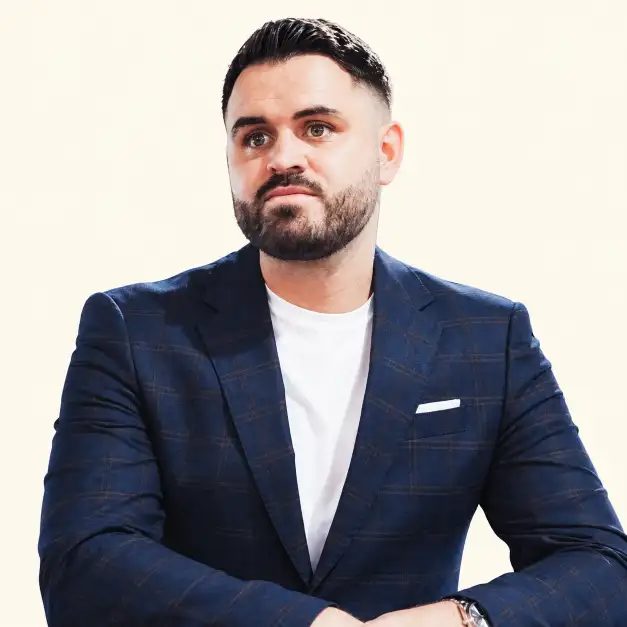
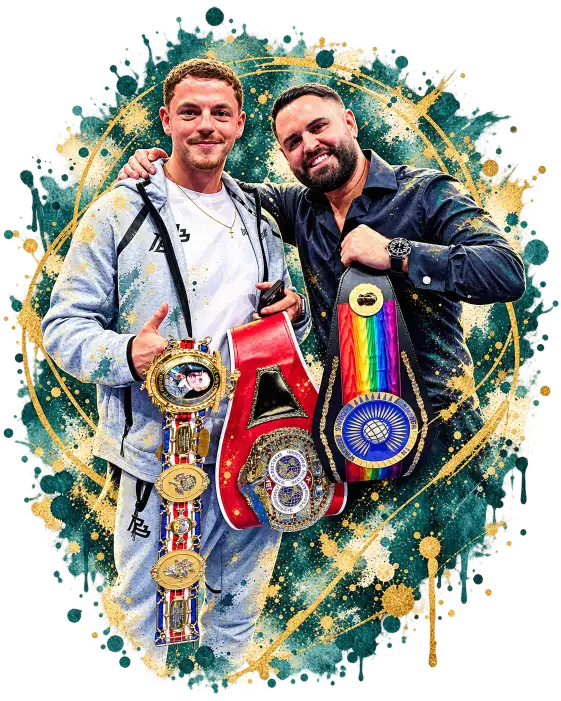
Companies House records Sam's full name as Sam Mark Llewellyn Jones and records his birth month as December 1988.
A reliable public source confirming the exact day of birth was not located during research for this profile, so no specific day has been added.
Sam has repeatedly identified Prince Naseem Hamed as the fighter who made him fall in love with boxing.
It was not only the fighting.
Sam loved the walk-ins, confidence, spectacle, drama, personality and show-business side of the sport.
Sam has recalled his father allowing him to stay up to watch Naseem Hamed's famous fight with Kevin Kelley in New York.
That 1997 fight became one of the defining memories behind his enthusiasm for boxing.
The Independent later recorded a childhood story in which Sam dressed as Hamed and jumped over the sofa wearing leopard-print shorts his mother had made for him.
It is a small detail, but it helps explain the adult Sam Jones particularly well.
He has always understood that boxing is simultaneously sport, emotion, personality, entertainment and business.
Before boxing became his full-time profession, Sam worked at a car dealership in Derby.
The environment rewarded confidence, communication, persuasion, understanding customer motivation and being comfortable discussing money.
He also gained experience in vehicle auctioneering.
Auction environments compress many commercial skills into a very small window:
value has to be understood quickly, attention has to be maintained and hesitation can change the outcome.
Those early skills transferred naturally into boxing.
A fight negotiation might involve a promoter, broadcaster, manager, trainer, sanctioning body, venue, fighter and legal team — all with different interests.
The numbers matter, but so does understanding what each person actually wants.
Sam's willingness to talk, pitch, ask, chase and follow up became one of the characteristics that allowed an outsider to create opportunities inside a relationship-driven industry.
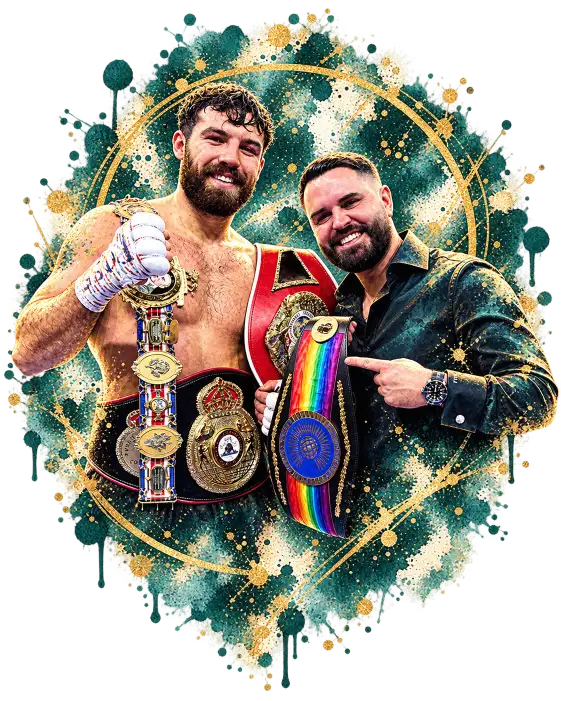
After the Rio 2016 Olympic cycle, Savannah Marshall was questioning whether she wanted to continue boxing.
Marshall later told Sky Sports that she received a message unexpectedly from Sam asking whether she had considered turning professional.
Sam made contact through one of Floyd Mayweather's associates and secured a brief meeting when Mayweather was in Britain.
Sam has recalled being given roughly five minutes.
He nevertheless used the opportunity to pitch Marshall.
Sam later told Square Mile that Mayweather FaceTimed him at around three in the morning.
Marshall ultimately signed with Mayweather Promotions.
Her professional debut took place on the undercard of Floyd Mayweather vs Conor McGregor in Las Vegas in August 2017.
Sam did not control whether Mayweather would say yes.
He controlled whether the conversation happened.
It became an early illustration of a principle that appears throughout his career: access often begins with asking for the meeting that seems unrealistic.
Joe Joyce left the Rio 2016 Olympic cycle as an Olympic silver medallist and one of Britain's most valuable heavyweight prospects.
Major boxing businesses were interested.
Sam believed he could help build Joyce's professional career despite having little of the traditional management establishment behind him.
Sam later told The Independent that he initially managed Joyce while still working full-time.
He then left that security and committed himself fully to boxing.
Sam has said he did not have a wealthy backer funding the experiment.
He lived from money he had saved and backed his own ability to make the career work.
Early Vegas camps were not glamorous.
Sam has described sharing rooms with Joyce and sleeping on pull-out beds before later camps moved into more comfortable surroundings.
One of Sam's more useful admissions is that confidence did not mean pretending to know everything.
He has credited Peter Fury with giving him significant advice about matchmaking during the early part of Joyce's professional career.
Sam spent time around Fury's gym and described learning from people whose boxing experience was deeper than his own.
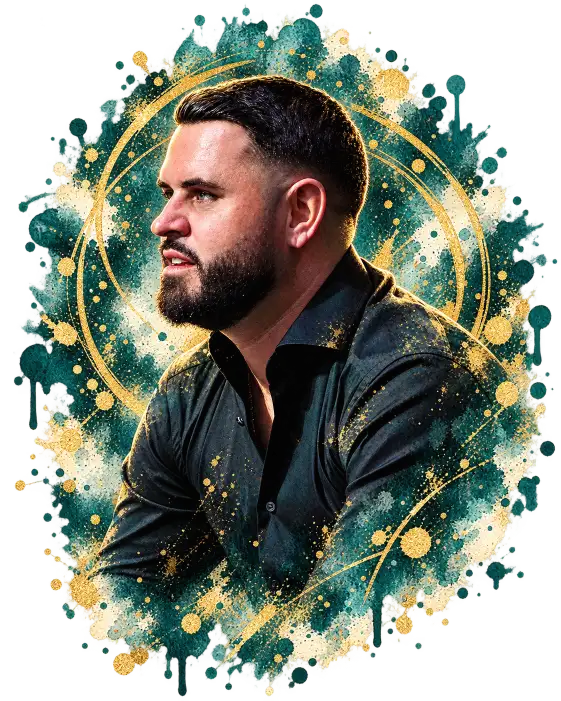

Sam Jones and Adam Morallee co-founded S-JAM Boxing in 2017.
The model was positioned as a boutique management business focused on individual attention, opportunity and commercial development.
Sam has been unusually open about the importance of his business partner.
In a Square Mile interview he described Morallee as the backbone of the company and rejected the idea that his own visible personality meant the business was a one-man operation.
Public S-JAM material and major boxing coverage connected the management team at different times with fighters including:
Joe Joyce, Lerrone Richards, Florian Marku, Johnny Fisher, Solomon Dacres, Guido Vianello, John Hedges, Kody Davies and other developing fighters.
One example of talent identification came through Johnny Fisher.
Fisher contacted Sam while at university asking whether Joe Joyce needed sparring.
The relationship developed from sparring opportunity into professional management.
S-JAM also formed a partnership with boxing media platform Behind The Gloves.
Sam described media reach, recognition and fan following as valuable parts of developing fighters.
The lesson is highly relevant outside boxing.
Being good at the underlying job matters.
But reputation, communication, visibility, narrative and relationships can determine whether the market notices that value.
By 2020 Joyce was building towards a major all-British heavyweight fight with Daniel Dubois.
The contest represented an enormous opportunity for both careers.
The original event became one of British boxing's major casualties of the pandemic.
Training camps, dates, ticketing, broadcast arrangements and preparation all had to be reconsidered.
Sam told The Independent that a Las Vegas training camp had cost approximately £50,000 before the situation changed.
Instead of assuming the cancelled date meant the fight was dead, Sam continued talking to the relevant people and looking for a route forward.
Joyce ultimately stopped Dubois in the tenth round.
The victory delivered major domestic and European heavyweight honours and moved Joyce into world-title contention.
A plan can become impossible while the objective remains valuable.
Good management separates the result you still want from the route that no longer works.
In October 2021 Probellum announced that Sam had joined the organisation as Talent Relations for the UK.
The announcement stated that he was leaving S-JAM at that point to move into the promotional role.
The job involved working with UK fighters and supporting talent relationships across the business.
The role also extended into operations around venues, press conferences, weigh-ins and fight-week delivery.
Management teaches somebody to advocate for the client.
Promotion forces a wider understanding of the complete commercial product: broadcast, venue, event operations, media, matchmaking, ticket sales and fighter relationships.
Strong negotiators become more effective when they understand the pressures faced by the person on the other side of the negotiation.

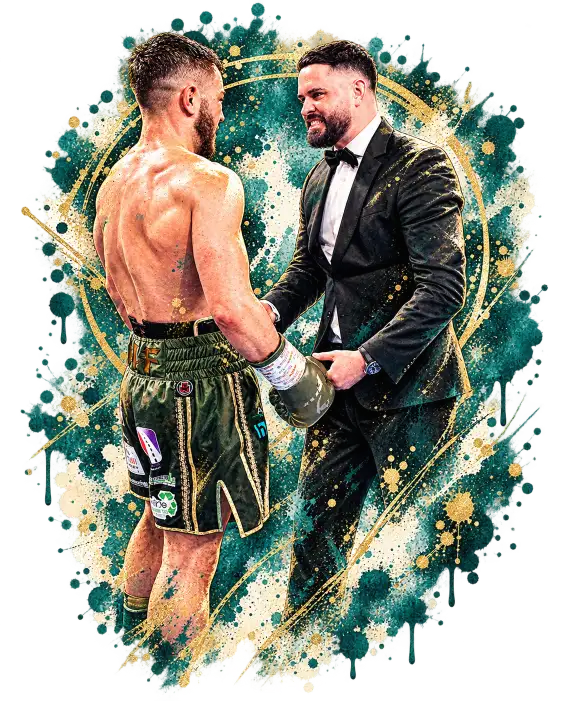
Jack Catterall's professional journey has contained one of British boxing's most discussed judging controversies, long waits for opportunities and repeated high-level negotiations.
Sam became a prominent member of Catterall's management team and increasingly visible advocate for his career.
Matchroom media publicly identified Sam in Catterall's management team during the Linares phase.
Catterall later gained revenge over Josh Taylor in their 2024 rematch.
Sam helped push for another major-name opponent rather than taking a low-risk waiting fight.
Catterall defeated former two-time world champion Regis Prograis in Manchester.
After a world-title defeat to Arnold Barboza Jr, Catterall moved to welterweight and beat previously unbeaten Harlem Eubank by technical decision.
Catterall then comprehensively defeated Shakhram Giyasov over twelve rounds at the Pyramids of Giza.
He left Egypt holding a WBA welterweight world-title belt after scores of 119–108, 118–109 and 116–111.
In August 2026, The Ring reported that Catterall immediately contacted Sam when Devin Haney publicly mentioned him as a possible opponent.
Jones confirmed that Catterall's side had accepted the proposed October date and location.
It is a useful example of modern opportunity management: when the opening appears, speed matters.
Following Daniel Dubois' second defeat to Oleksandr Usyk, BBC Sport reported that Sam had joined Dubois in an advisory role as part of a major team overhaul.
The goal was straightforward but extremely difficult: rebuild towards another heavyweight world championship.
Sam publicly pushed towards a fight with WBO heavyweight champion Fabio Wardley rather than an extended run of low-risk comeback contests.
The strategy produced an all-British heavyweight world-title fight at Manchester's Co-op Live.
Dubois was knocked down early but recovered and stopped Wardley in the eleventh round.
He became a two-time heavyweight world champion.
Reuters identified Sam as Dubois' manager during fight-week coverage, while other major outlets described him as manager, adviser or agent.
Only months after the world-title success, Sam announced that he had left Team Dubois.
He later explained that he did not feel he had sufficient control over decision-making to remain responsible for the role.
That decision creates one of the strongest business lessons in Sam's current story.
A successful outcome does not automatically mean a working structure is sustainable.
Responsibility without sufficient authority can become a serious leadership risk.
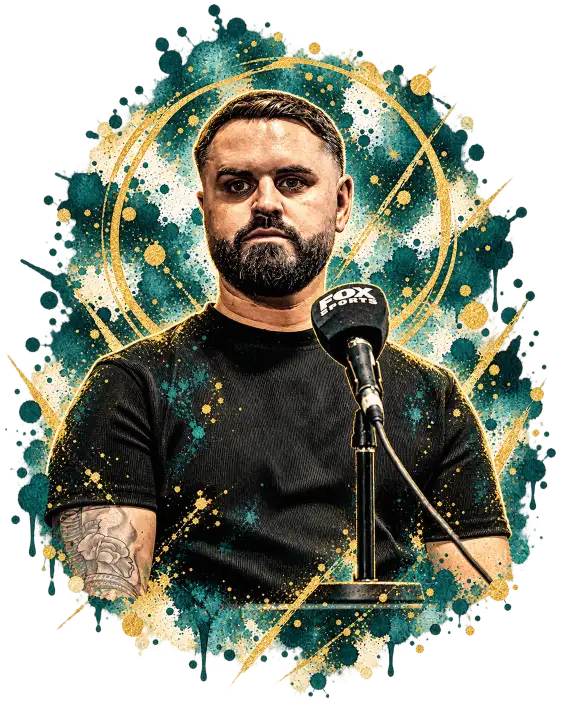
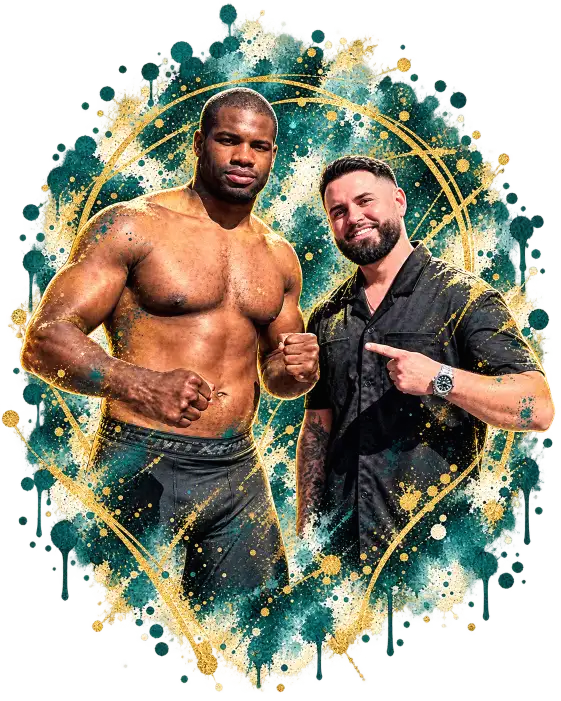
As of September 2026, major current reporting continues to identify Sam as Jack Catterall's manager.
Catterall remains positioned around major welterweight opportunities.
Sam also manages former Team GB Olympian and explosive cruiserweight Pat Brown.
In the freshest result included in this profile, Brown stopped unbeaten John Hedges with body shots in the sixth round at Co-op Live.
Brown became British and Commonwealth Cruiserweight Champion while retaining his WBA International and IBF Intercontinental belts.
The result moved him to 7–0 with 7 knockouts.
Matchroom's post-fight coverage on 20 September 2026 included Brown, Eddie Hearn, trainer Jamie Moore and Sam Jones together after the win.
Sam also signed highly rated teenage prospect Adam Maca to a management agreement before Maca joined Matchroom.
Sam pushed for Maca's professional debut to take place at Madison Square Garden, even having the New York debut incorporated into the Matchroom agreement.
Established champions create headlines.
Talent management also requires making decisions before the rest of the market agrees.
Brown and Maca illustrate the other side of Sam's work: identifying potential, creating a route and then protecting enough activity for development to continue.
In this May 2026 iFL TV interview, Sam reacts immediately after Jack Catterall's world-title breakthrough and discusses a major period for the fighters around him.
Watch Sam Jones react after Jack Catterall's 2026 title win on iFL TV ↗
Sam left a secure job without a financial backer because he believed the opportunity justified a calculated personal risk.
The Savannah Marshall story exists because Sam pursued an introduction to Floyd Mayweather when there was no guarantee of access.
Negotiation improves when you understand what the other side values, what alternatives exist and where urgency really sits.
Sam's own description of management is simple: the fighter is the boss and the representative's job is to protect the fighter's interests.
Sam openly credits experienced figures such as Peter Fury with helping him learn parts of boxing he did not yet understand.
Talent needs performance, but commercial value is also influenced by visibility, personality, media and audience.
Major sporting opportunities disappear quickly. Decision speed can be an advantage when preparation has already been done.
The Dubois split demonstrated that commercial success does not remove the need for clear authority, accountability and working boundaries.
Leaving security, understanding downside and backing a carefully judged opportunity before success is guaranteed.
Leverage, timing, emotional control, preparation and relationships when money and careers are on the line.
Identifying potential before the market has produced enough evidence for everybody else to agree.
Understanding value, handling objections, creating urgency and communicating belief without losing credibility.
Supporting individuals whose confidence, emotion and personal stakes are unusually high.
Balancing commercial opportunity with responsibility for the individual behind the deal.
Why trust built before a negotiation often matters more than clever tactics during one.
Building credibility as an outsider and creating a career without waiting for the industry to hand you permission.
Visibility can create commercial value, but only if people continue to trust what sits behind the personality.
Preserving the objective when dates, deals, opponents or circumstances suddenly change.
Knowing where your own expertise stops and surrounding yourself with people who strengthen the gaps.
Understanding the danger of accepting responsibility for an outcome without enough authority to influence it.
Companies House records Sam Mark Llewellyn Jones as born in December 1988.
Falls in love with the theatre and excitement of boxing through Prince Naseem Hamed.
Watches the famous New York fight after his father allows him to stay up for it.
Dresses as Hamed in homemade leopard-print shorts created by his mother.
Works at a car dealership in Derby.
Develops further experience in sales, value and rapid commercial decision-making.
Approaches the Olympian about turning professional.
Secures a brief meeting and helps create a route to Mayweather Promotions.
Marshall makes her professional debut on one of the biggest boxing events ever staged.
Co-founds S-JAM Boxing with Adam Morallee.
The Olympic heavyweight becomes the foundational major management relationship in Sam's boxing career.
Leaves secure full-time employment and backs the boxing opportunity with his own savings.
Joyce rapidly progresses through the professional ranks.
S-JAM expands its profile and works across major promoters and markets.
A sparring enquiry develops into another heavyweight management relationship.
Joyce–Dubois is delayed, requiring camp and commercial plans to be rebuilt.
Joe Joyce stops Daniel Dubois in a defining British heavyweight fight.
S-JAM increases its involvement with boxing media and audience development.
Sam is announced as Talent Relations for the UK and the announcement says he is leaving S-JAM at that point.
Sam becomes increasingly visible in Catterall's world-level career.
Catterall defeats Taylor in the major rematch.
Catterall beats the former two-time world champion.
Management activity expands around fighters including Pat Brown and Adam Maca.
Arnold Barboza Jr defeats Catterall in a close world-title fight.
Sam helps secure a professional route including a Madison Square Garden debut.
Wins by technical decision in his welterweight move.
Joins the former heavyweight champion in an advisory role after the Usyk defeat.
Brown progresses rapidly from Olympian to unbeaten professional contender.
Stops Fabio Wardley in eleven rounds for the WBO heavyweight championship.
Defeats Shakhram Giyasov and captures a WBA welterweight title.
Sam ends the heavyweight advisory relationship despite the recent championship success.
Works on a potential Devin Haney fight for Jack Catterall.
Brown stops John Hedges in round six at Co-op Live, Manchester.
Sam remains active around championship boxing, emerging talent, management, negotiation, media and speaking.
Sam Jones is a British boxing manager, adviser, sports entrepreneur and speaker known for working with elite and emerging professional fighters and for speaking about negotiation, risk, talent, sales and relationships.
Companies House records his full name as Sam Mark Llewellyn Jones.
Companies House records his birth month as December 1988. The exact day was not confirmed in reliable public sources reviewed for this profile.
Sam was a lifelong boxing fan inspired particularly by Prince Naseem Hamed. After working in car sales and vehicle auctioneering, he moved into boxing management and eventually left secure full-time employment to commit to the industry.
Public reporting links Sam's early working life with car sales at a dealership in Derby and vehicle auctioneering.
S-JAM Boxing is a boxing-management business co-founded in 2017 by Sam Jones and Adam Morallee.
Olympic heavyweight silver medallist Joe Joyce became the foundational major fighter relationship in Sam's management career.
Sam approached Marshall about turning professional and helped create the route that led to her signing with Mayweather Promotions and debuting on the Mayweather–McGregor undercard in 2017.
Yes. In October 2021 Probellum announced Sam as Talent Relations for the UK, with responsibilities around fighters and boxing-event operations.
Yes. Current 2026 reporting continues to identify Sam Jones as Jack Catterall's manager.
Yes. Sam joined Dubois in an advisory role in 2025 and was part of the team when Dubois defeated Fabio Wardley for the WBO heavyweight championship in May 2026. Sam left the team in August 2026.
Yes. Matchroom identifies Sam as Pat Brown's manager. On 19 September 2026 Brown stopped John Hedges to become British and Commonwealth Cruiserweight Champion.
Adam Maca is a highly rated young boxer managed by Sam Jones. Sam helped secure Maca's Matchroom agreement and a professional debut at Madison Square Garden.
Sam speaks about high-stakes negotiation, sales, entrepreneurial risk, talent identification, managing ambitious people, reputation, loyalty, relationships, leadership boundaries and protecting clients.
His experience is particularly relevant to leadership conferences, sales kick-offs, entrepreneur events, negotiation sessions, talent-development programmes, sports-business events and high-performance audiences.
Contact The Immersion Project through the contact page or email sue@theimmersionproject.co.uk .
This profile combines first-person interviews, official boxing organisations, promoters, company records and current 2026 reporting.
Sam's career offers something different from a traditional motivational sports story.
He is the person on the other side of the athlete: finding opportunities, protecting careers, handling promoters, negotiating money, managing personalities, dealing with setbacks and deciding when a risk is worth taking.
His central challenge for business audiences is simple: how well do you understand the people, leverage, relationships and consequences behind your next big decision?
Explore Sports & High-Performance Speakers , discover Corporate Events , view Training Programmes , explore Inspirational Speakers , or browse all speakers .